Cart
0
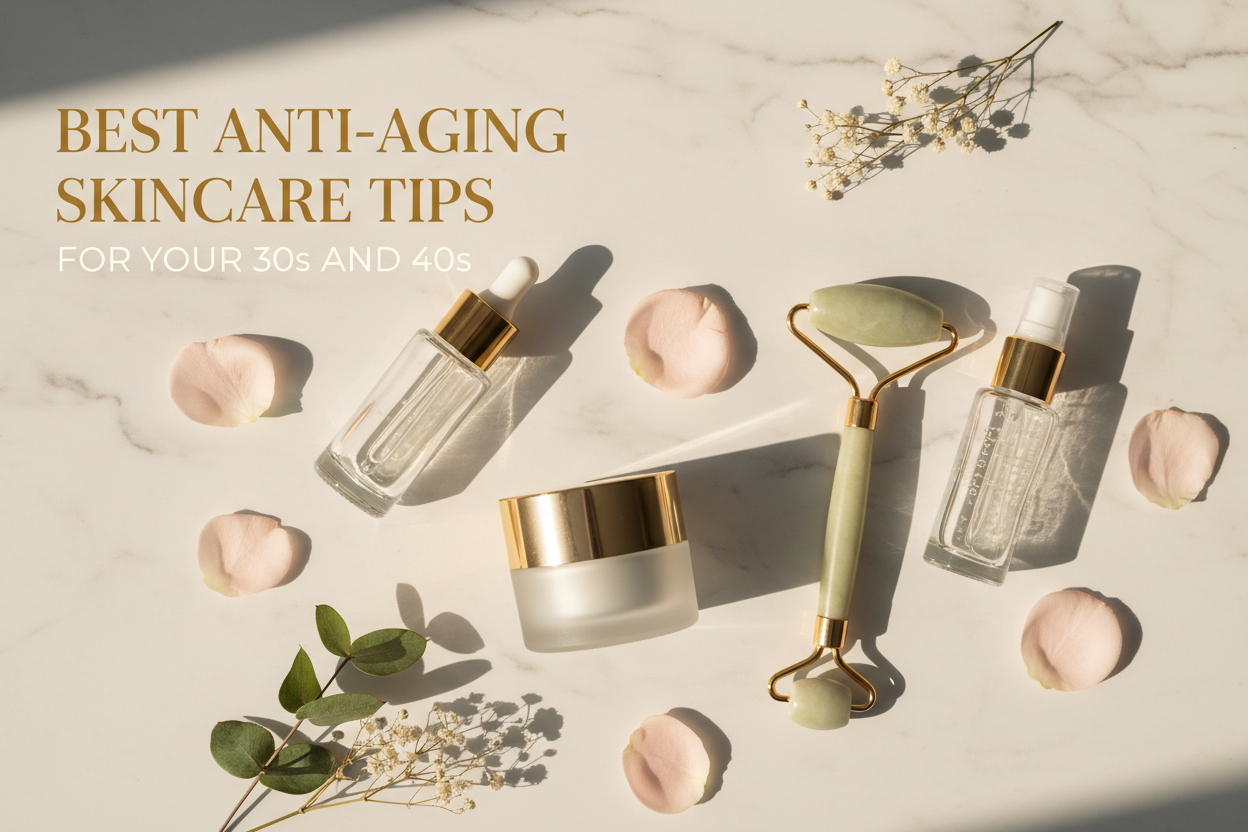
Your skin's needs shift significantly between your 20s and your 30s and 40s — collagen production slows, cell turnover decelerates, and the cumulative effects of sun exposure start becoming visible. The good news: this is also the decade range where a targeted routine makes the biggest visible difference. You don't need a 12-step routine or an expensive dermatologist visit to see real results — you need the right habits, applied consistently.
Below are the anti-aging skincare tips that actually hold up under dermatological scrutiny, plus how to build a simple, sustainable routine around them.
Why Skin Changes So Much in Your 30s and 40s
Starting in your mid-to-late 20s, collagen production begins declining by roughly 1% per year. By your 30s, this becomes more visible — skin loses some of its bounce, fine lines start forming around the eyes and mouth, and cell turnover slows, meaning dullness and uneven texture become more noticeable. In your 40s, these changes compound alongside hormonal shifts that can affect skin's moisture retention and elasticity even further.
This doesn't mean aging skin is a problem to "fix" — it's a natural process. But dermatology-backed skincare can meaningfully support your skin's resilience, hydration, and firmness through these changes.
The Best Anti-Aging Skincare Tips, Backed by Dermatology
1. Never Skip Sunscreen — It's the #1 Anti-Aging Step
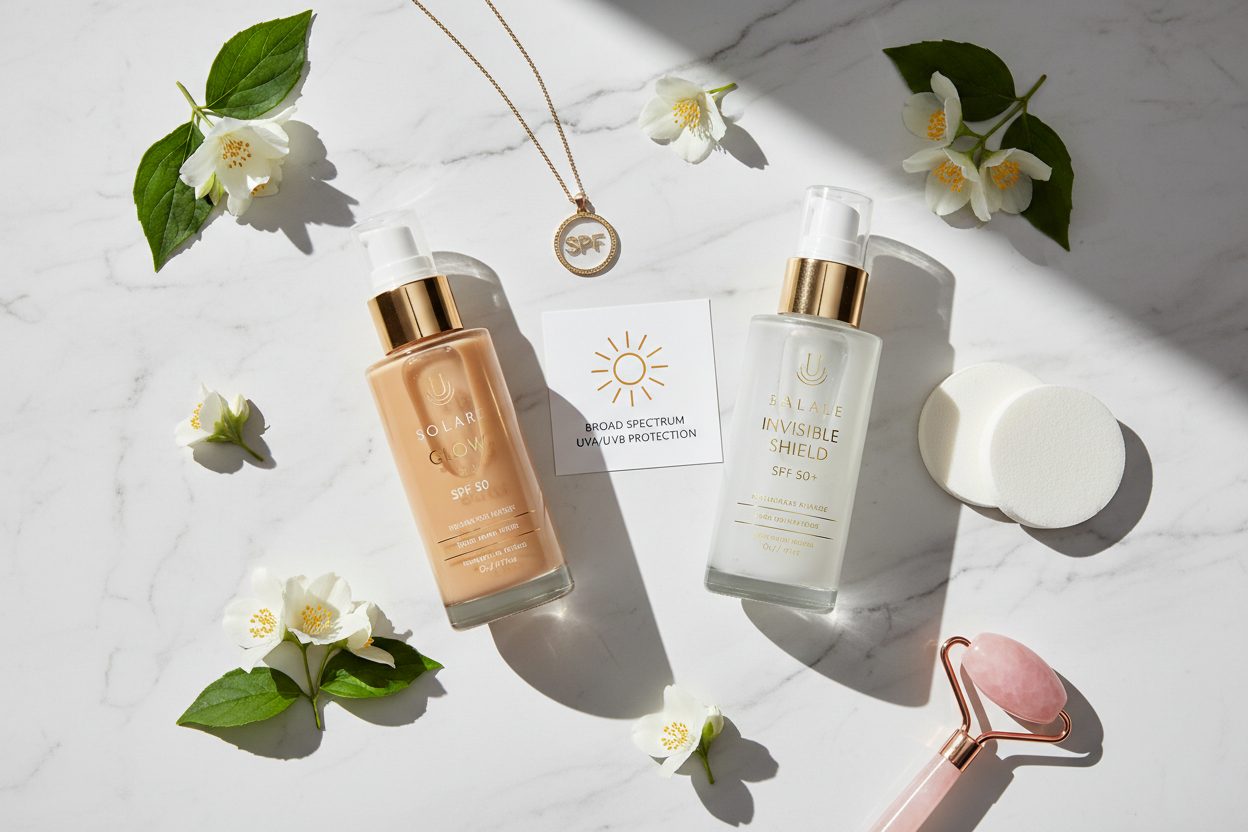
Dermatologists consistently rank daily SPF as the single most effective anti-aging step available, full stop. Roughly 80% of visible skin aging is linked to cumulative sun exposure. No serum or cream can out-perform consistent SPF use.
2. Use a Vitamin C Serum in the Morning
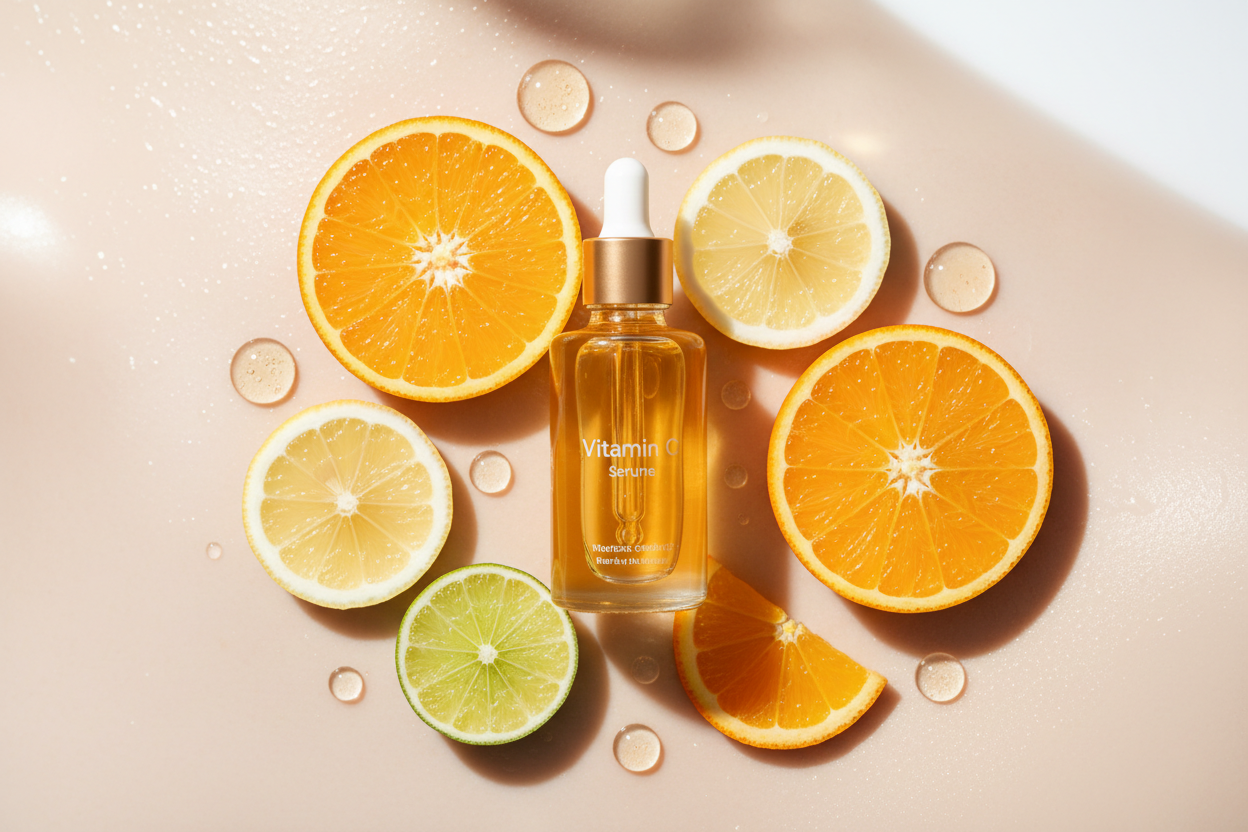
Vitamin C supports collagen synthesis and helps defend against free-radical damage from UV and pollution exposure throughout the day. Pairing it with sunscreen each morning is one of the most well-supported anti-aging combinations in skincare.
3. Introduce a Dedicated Anti-Age Cream Into Your Routine
As collagen production slows, your skin benefits from a formula specifically designed to support firmness and hydration. A well-formulated anti-age day cream — particularly one built around marine actives or peptides — helps reinforce the skin barrier while targeting fine lines and loss of elasticity, without the harshness of stronger actives like prescription retinoids.
4. Don't Neglect Hydration
Dehydrated skin makes fine lines more visible, not less. Layering a hydrating serum underneath your moisturizer helps plump the skin from within, which softens the appearance of texture and lines.
5. Introduce Actives Gradually
If you're adding retinoids, exfoliating acids, or other stronger actives into your 30s/40s routine, introduce them slowly — 2-3 times per week initially — to avoid compromising your skin barrier, which becomes more important to protect as skin naturally thins with age.
6. Prioritize Sleep and Facial Massage
While not a product-based tip, sleep quality directly affects skin repair and inflammation levels. Facial massage (even a few minutes while applying your moisturizer) can support circulation and product absorption.
7. Don't Forget Your Neck and Hands
These areas often show aging signs earlier than the face because they're frequently left out of the routine entirely. Extend your SPF, vitamin C, and moisturizing steps down to the neck and décolletage.
Dermatology tip: Consistency outperforms complexity. A simple 4-step routine used daily will outperform an elaborate 10-step routine used sporadically.
A Simple Anti-Aging Routine for Your 30s and 40s
| Time | Step | Purpose |
|---|---|---|
| Morning | Gentle cleanser | Removes overnight buildup without stripping skin |
| Morning | Vitamin C serum | Antioxidant protection, brightening, collagen support |
| Morning | Anti-age day cream | Hydration, firmness, barrier support |
| Morning | SPF30 (tinted or regular) | Prevents further UV-driven collagen breakdown |
| Evening | Cleanser + hydrating moisturizer | Repair and replenish overnight |
What to Avoid in Your 30s and 40s Skincare Routine
- Over-exfoliating. As the skin barrier naturally thins with age, aggressive daily exfoliation can do more harm than good.
- Skipping moisturizer to "let skin breathe." This is a myth — consistent hydration actually supports barrier function and elasticity.
- Chasing trends over consistency. The most dermatology-backed routines are simple and repeated daily, not constantly swapped for the newest viral product.
Support Firmer, More Hydrated Skin Every Day
Our Anti-Age Day Cream is formulated with a velvety, fast-absorbing texture and marine actives to help support skin firmness and hydration as part of your daily routine.
Shop Anti-Age Day CreamFrequently Asked Questions
What is the best anti-aging skincare routine for your 30s?
A simple, consistent routine — cleanser, vitamin C serum, anti-age moisturizer, and daily SPF — is more effective long-term than a complex routine used inconsistently.
Is 30 too early to start anti-aging skincare?
No — since collagen decline begins in the mid-to-late 20s, starting preventive steps like SPF and antioxidant serums in your 30s is considered ideal timing by most dermatologists.
What ingredients should I look for in an anti-aging cream?
Look for hydrating and barrier-supporting ingredients like peptides, marine actives, hyaluronic acid, and antioxidants, which support firmness without the irritation risk of stronger prescription actives.
Does diet affect skin aging?
Yes — diet, sleep, and stress all influence skin's inflammation levels and repair capacity, working alongside (not instead of) a topical skincare routine.
Aging skin isn't something to fight — it's something to support. The most effective approach combines daily SPF, an antioxidant serum, consistent hydration, and a dedicated anti-age day cream to reinforce your skin's firmness and moisture barrier over time.