Cart
0
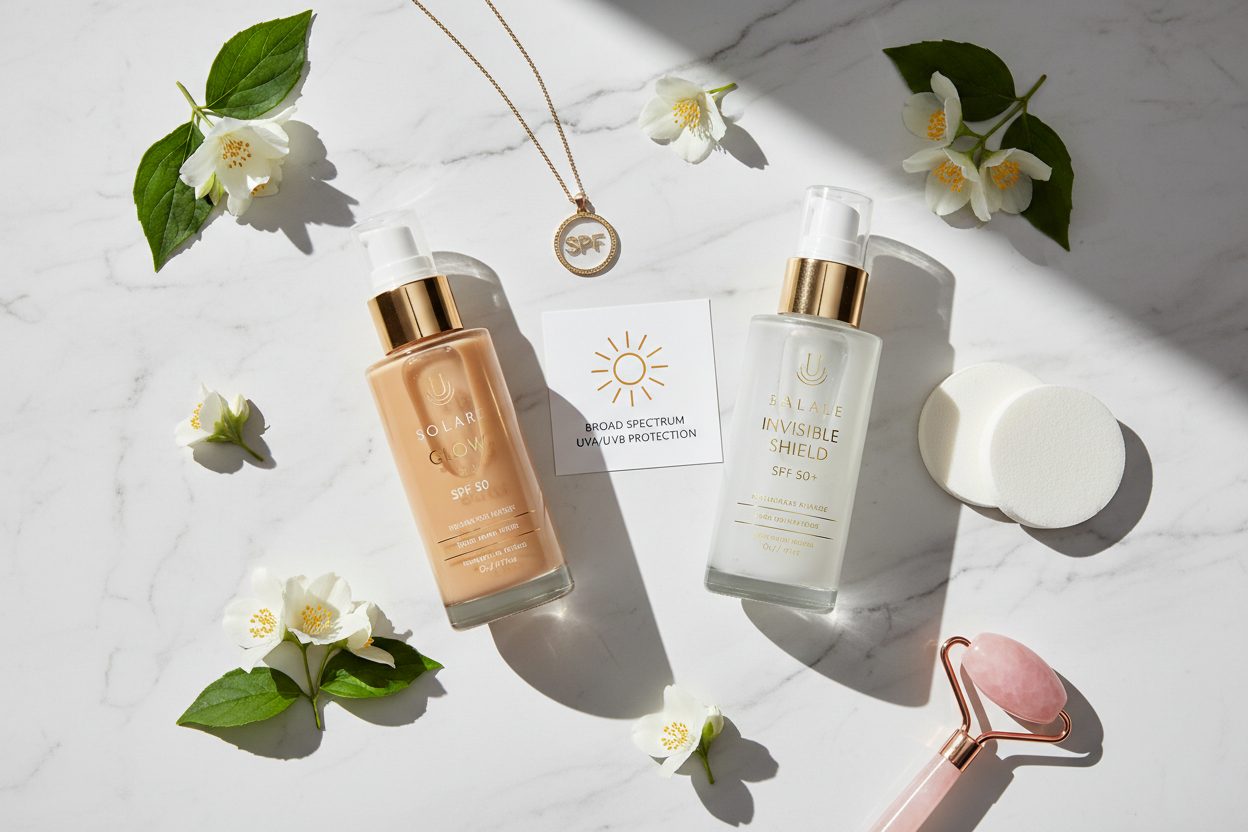
Tinted Sunscreen vs. Regular Sunscreen: Which One Does Your Skin Actually Need?
Sunscreen is non-negotiable — that part isn't up for debate. But once you're standing in front of two bottles, one labeled "regular" and one "tinted," the decision suddenly gets more complicated than it should be. Is tinted sunscreen actually better? Does it protect your skin the same way? Or is it just a cosmetic upgrade with a higher price tag?
In this guide, we're breaking down the real differences between tinted sunscreen vs regular sunscreen — how they protect your skin, how they differ cosmetically, and which one is the right call for your skin type and daily routine.
What's the Actual Difference Between Tinted and Regular Sunscreen?
Both tinted and regular sunscreens are built on the same core job: shielding your skin from UVA and UVB rays. The difference comes down to what's added to the formula and how the two types of UV filters are used.
Regular sunscreen is typically a clear or white-cast formula using either chemical filters, mineral filters (zinc oxide, titanium dioxide), or a blend of both — designed purely for protection, with no color payoff.
Tinted sunscreen uses iron oxide pigments layered into the same UV-filtering base. This isn't just cosmetic — iron oxides provide an added layer of defense against visible light and blue light, which standard UV filters don't fully block on their own. Our own Sunscreen SPF30 with tint is formulated this way, combining broad SPF30 protection with a lightweight tint that doubles as a finishing step.
Tinted Sunscreen vs Regular Sunscreen: Side-by-Side Comparison
| Factor | Regular Sunscreen | Tinted Sunscreen |
|---|---|---|
| UV Protection (UVA/UVB) | Yes | Yes |
| Blue Light / Visible Light Defense | Limited | Enhanced (via iron oxides) |
| White Cast | Common with mineral formulas | Minimized or eliminated |
| Doubles as Makeup Base | No | Yes |
| Best For | Body, layering under heavy makeup | Face, everyday no-makeup days |
Benefits of Tinted Sunscreen
1. Protection Against Blue Light and Visible Light
Screens, indoor lighting, and daily sun exposure all emit visible light that can contribute to pigmentation and premature aging — something regular SPF alone doesn't fully address. The iron oxides in tinted formulas help fill that gap.
2. No White Cast
Mineral-based regular sunscreens are notorious for leaving a chalky, gray-white finish, especially on deeper skin tones. Tinted sunscreen solves this by blending pigment directly into the formula for a more natural finish.
3. Simplifies Your Routine
A good tinted SPF can replace both your sunscreen step and a light coverage base, cutting down the number of products you need to apply every morning.
4. Evens Out Skin Tone Instantly
Beyond protection, the tint itself gives an immediate soft-focus effect — camouflaging redness, uneven tone, and minor discoloration without looking like makeup.
When Regular Sunscreen Still Makes Sense
Tinted formulas aren't always the right call. Regular sunscreen is usually the better pick for:
- Body application — tinted formulas are formulated for the face and can look unnatural on larger areas of skin.
- Layering under full-coverage makeup — if you're already applying foundation, a clear base underneath avoids product buildup or color mismatch.
- Reapplication throughout the day — a clear formula is easier to reapply over makeup without disturbing your look.
Dermatology tip: Regardless of which formula you choose, SPF30 is considered the practical minimum for daily protection, and sunscreen should be reapplied roughly every 2 hours during direct sun exposure.
Which One Does Your Skin Actually Need?
If your priority is a clean, natural, no-makeup-needed finish with added visible light protection, tinted sunscreen is the better daily choice — particularly for the face. If you're layering under separate makeup products or applying to the body, a regular formula avoids unnecessary buildup or tone mismatch. Many people end up using both: a tinted formula for the face, and a regular one for the neck, chest, and body.
Get Broad-Spectrum Protection With a Natural Finish
Our Sunscreen SPF30 with tint combines daily sun protection with a lightweight, skin-evening finish — no white cast, no separate makeup step needed.
Shop Tinted Sunscreen SPF30Frequently Asked Questions
Is tinted sunscreen as effective as regular sunscreen?
Yes — tinted sunscreen provides the same UVA/UVB protection as regular sunscreen at the same SPF level, with the added benefit of iron oxide pigments that help defend against visible and blue light.
Can tinted sunscreen replace foundation?
For many people, yes — especially on lower-coverage days. It evens out tone and adds a soft finish, though it won't offer the same coverage as a full foundation.
Is SPF30 enough for daily use?
Yes, SPF30 is widely considered sufficient for daily use, blocking roughly 97% of UVB rays when applied correctly and reapplied as needed.
Does tinted sunscreen work for all skin tones?
Well-formulated tinted sunscreens are designed to adapt to a range of skin tones without leaving a heavy cast, though it's always worth testing on your jawline first to check the finish.
Both formulas do the core job of protecting your skin — the real decision comes down to finish, coverage needs, and where on your body you're applying it. For most people's everyday face routine, a tinted SPF30 sunscreen offers the best balance of protection and a natural, no-makeup finish.